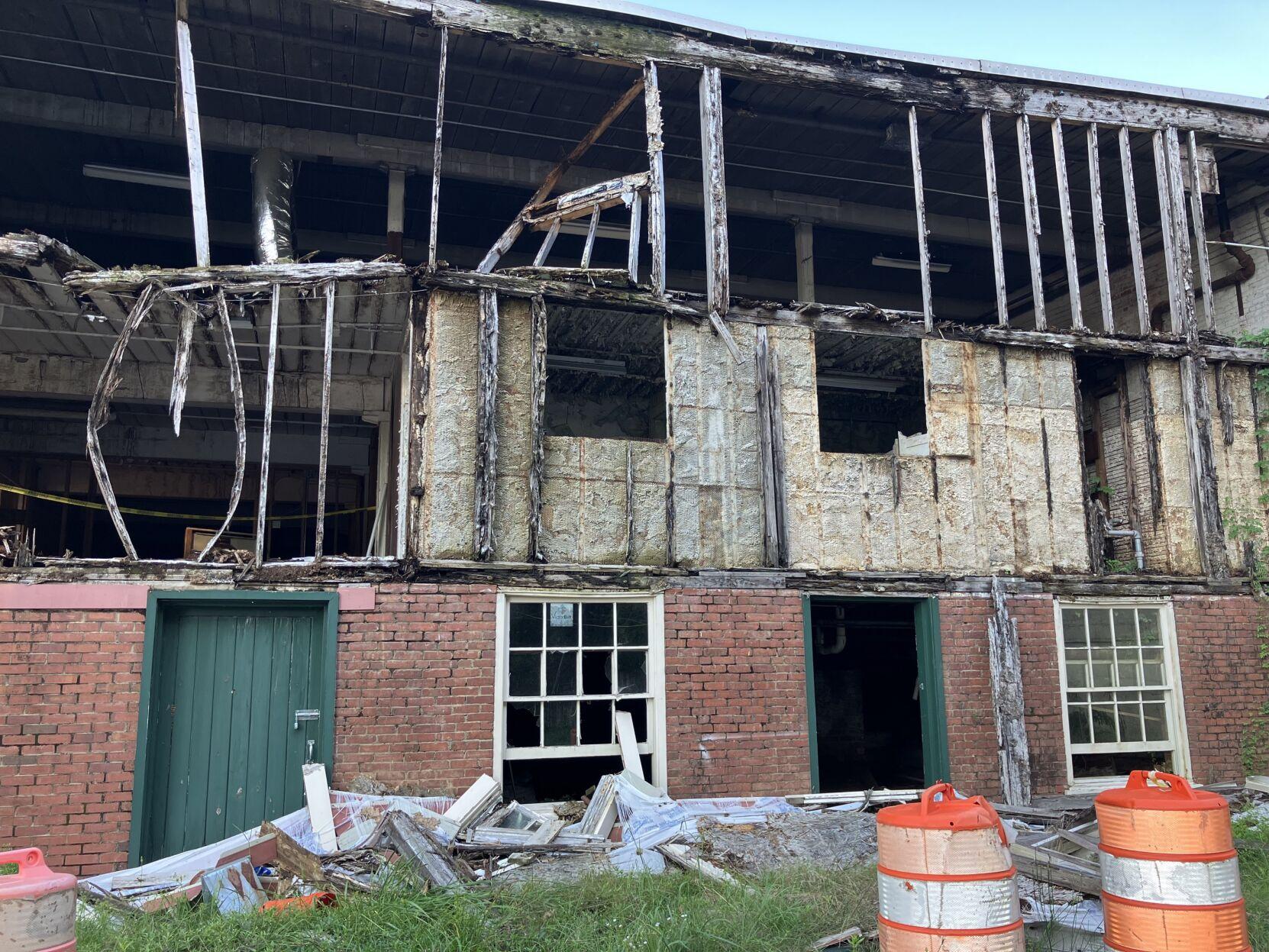
 Built in the early 1900s, the historic mill has fallen into disrepair after the renovation project stalled.Christian Boschult, The Post and Courier
A small SC town trusted him with a dream. Now half its annual budget is gone.
Aug. 17, 2023PACOLET — Next door to Pacolet Town Hall sits a historic mill building that once was the center of the small Upstate town’s industry, but now languishes in disrepair.
The town had a vision to reclaim the Pacolet Mill Cloth Room and Warehouse’s former glory by renovating it into a senior center.
But nearly a decade later and more than $500,000 in public funds gone, the building rots and the contractor entrusted to fix it has been convicted of fraud.
The money amounts to roughly half the annual budget for the town of 2,300, town manager Patrick Kay told The Post and Courier.
Earlier this week, Spartanburg contractor Callis J. Anderson Jr. pleaded guilty to felony embezzlement, breach of trust and obtaining money under false pretenses.
The South Carolina Attorney General’s Office said it weighed whether it was better to take the 68-year-old to trial where he faced as much as two decades in prison or strike a deal that would have the town get back at least a portion of the money.
In 2019, the State Law Enforcement Division accused Anderson of stealing $568,360 from the town between the time he was awarded the renovation contract in 2014 to 2017.
In the Aug. 14 deal, Anderson was sentenced to five years probation on the condition that he pays back $115,000 of the money he was paid.
The town had hoped for much more.
“He stole a dream,” Kay said. “He stole a portion of the community’s future. The $100,000, the town appreciates giving something back, but it pales in comparison to what he actually stole.”
Anderson’s attorney, Rick Vieth, didn’t respond to The Post and Courier’s request to comment.
The Attorney General’s office said that while the restitution is not all of the money that was taken, Anderson wouldn’t agree to a deal that required him to pay more.
“It was best for the town to get the $115,000 rather than zero,” Robert Kittle, spokesman for the Attorney General’s office, told The Post and Courier. “It’s a sure thing with the plea, but not necessarily for the trial.”
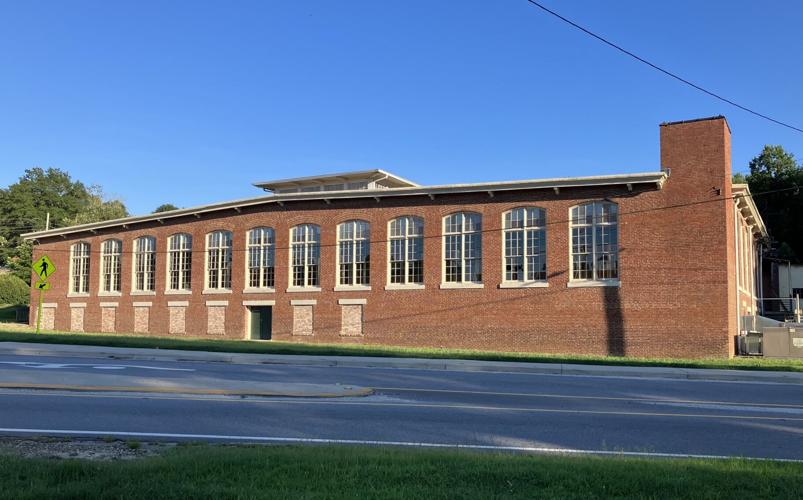 The exterior of the Pacolet Mills Cloth Room and Warehouse, next to the Pacolet Town Hall.Christian Boschult, The Post and Courier
Anderson paid $60,000 of the restitution immediately, and if he doesn’t pay the remaining $55,000 in five years, he will serve 21 years in prison, according to an Attorney General’s office news release.
The town became suspicious of Anderson after receiving invoices for the project without seeing any noticeable progress, former Pacolet Mayor Michael Meissner told the Spartanburg Herald-Journal in 2019.
“When I saw how much money had been spent and how much work had actually been done, it really didn’t match,” Meissner said at the time.
At one point during the project, Anderson’s company went to the town and said the project would cost more than originally planned. To raise money, Meissner launched a personal fundraising campaign, and the town took out a bond.
Anderson’s company continued to deposit the checks sent by the town, and when the town began to ask for documentation that equipment was purchased, he was unable to produce any, arrest documents show.
SLED then launched an investigation and charged him in June 2019.
Despite Anderson pleading guilty and being sentenced, he still has his state contracting license. The Attorney General’s office included a restriction that he could not do business with the state ever again, but was unable to include any provision taking his license away, Kittle said.
“In a criminal proceeding, we can’t take his license,” Kittle said. “It’s a separate administrative thing.”
The Department of Labor, Licensing and Regulation confirmed that Anderson is certified for a license, but said that state law prevented them from saying whether or not he is under investigation.
Once the Contractor’s Licensing Board is made aware of a legal action, a complaint is filed and an investigation begins. Investigations are generally completed within 180 business days, or roughly eight months, according to the department.
Then, a committee will review the investigation and decide whether to file a formal complaint, followed by a hearing and final decision. There is also the opportunity for Anderson to appeal any adverse decision.
“It’s been a concern for other councilmembers,” Kay said of Anderson still having his contracting license. “They don’t want to see this greedy, awful person do this to anyone else.”